 Humanoid Robot Power Systems: Sodium Ion Battery & Lithium Ion Battery Solutions Shaping the Future of RoboticsThe Evolution and Future of Humanoid Robots: Powering Innovation with Advanced Lithium and Sodium Battery Systems
In 2026, the humanoid robot industry is undergoing an unprecedented transformation, moving beyond laboratory prototypes to become a driving force in reshaping industries, households, and public services. What was once a sci-fi concept has now evolved into agile, intelligent humanoid robots capable of mimicking human movements, performing complex tasks, and adapting to dynamic environments. From industrial manufacturing and logistics to healthcare assistance and household cleaning, humanoid robots are no longer a distant future—they are here, and their growth is fueled by breakthroughs in artificial intelligence, sensor technology, and, most critically, advanced humanoid robot battery systems. As the industry accelerates toward mass commercialization, the robot power system has emerged as the core bottleneck determining the performance, reliability, and scalability of humanoid robots. This blog explores the evolution, current trends, and future of humanoid robots, delves into the critical role of humanoid robot power systems, and introduces our cutting-edge sodium ion battery and lithium ion battery solutions designed to unlock the full potential of humanoid robots.
The Evolution of Humanoid Robots: From Prototypes to Productivity Tools
The journey of humanoid robots dates back decades, but the past five years have witnessed a quantum leap in their development. Early models, such as Honda’s ASIMO, were limited to basic movements and short operational times, serving primarily as technological demonstrations. Today, driven by advancements in embodied AI, high-precision actuators, and lightweight materials, humanoid robots have evolved into versatile machines capable of tasks that were once exclusive to humans. In 2026, Honor’s humanoid robot “Shandian” completed a half-marathon in 50 minutes and 26 seconds, surpassing the human men’s world record—a feat made possible by breakthroughs in motion control, energy efficiency, and advanced humanoid robot battery management systems (BMS). This achievement highlights how critical reliable robot power systems are to pushing the boundaries of humanoid robot performance.
This evolution is not just about mobility; it’s about functionality. Modern humanoid robots feature dexterous hands with 20+ degrees of freedom, enabling them to handle delicate objects, assemble components, and perform precision tasks in manufacturing. They can navigate complex environments using multi-sensor fusion, avoid obstacles, and adapt to changing conditions—all while operating autonomously for extended periods, thanks to high-performance humanoid robot battery packs. The shift from “laboratory demonstrations” to “productivity tools” has been driven by a confluence of technologies, but none is more critical than the robot power system. Without a reliable, high-performance humanoid robot energy storage solution, even the most advanced AI and actuator systems are rendered ineffective.
Current Trends in Humanoid Robots (2026): Mass Production, Scenario Expansion, and Power Innovation
The global humanoid robot market is projected to reach USD 21,647.3 million by 2035, growing at a CAGR of 26.4% from 2026 to 2035. Three key trends are shaping the humanoid robot industry today, all of which hinge on advancements in humanoid robot power systems and battery technology: sodium ion batteries and lithium ion batteries are at the forefront of this innovation, powering the next generation of humanoid robots.
1. Mass Production and Cost Reduction
China leads the global humanoid robot industry, with 56% of related companies and 45% of integrators based in the country, according to Morgan Stanley’s 2026 report. Manufacturers like UBTECH, Unitree, and Zhiyuan Robotics are ramping up production capacity to tens of thousands of units annually, driving down hardware costs. A critical factor in this mass production is the standardization and optimization of humanoid robot power systems—lightweight, cost-effective, and scalable sodium ion battery and lithium ion battery packs are essential to making humanoid robots accessible to businesses and households alike. These robot battery solutions are key to reducing production costs while maintaining high performance.
2. Scenario Expansion Beyond Industrial Use
Humanoid robots are no longer confined to industrial warehouses and manufacturing plants. They are increasingly being deployed in household cleaning, healthcare, retail, and public services. For example, cleaning robots—once simple floor sweepers—are now evolving into humanoid cleaning robots capable of cleaning hard-to-reach areas, handling delicate surfaces, and operating autonomously for hours, powered by durable sodium ion battery packs. This expansion into diverse scenarios demands robust humanoid robot power systems that are adaptable to different environments: waterproof, shockproof, and capable of consistent performance in varying temperatures—features that our sodium solid state battery packs excel at.
3. Technological Breakthroughs in Power and AI Integration
Embodied AI has become the cornerstone of modern humanoid robots, enabling them to perceive, interact with, and understand the physical world. However, this advanced AI requires a steady, high-performance humanoid robot power supply to support real-time data processing, sensor fusion, and motion control. The demand for longer humanoid robot battery life, faster charging, and higher safety has pushed the industry to explore new battery technologies—moving beyond traditional lithium-ion batteries to more advanced solutions like sodium solid-state batteries, which offer superior safety and cost-effectiveness for humanoid robot applications.
Key Technologies Shaping Humanoid Robots: The Critical Role of Power Systems
Humanoid robots rely on four core technological pillars: AI and machine learning, sensor technology, actuators, and humanoid robot power systems. While AI and sensors enable intelligence and perception, and actuators enable movement, the robot power system is the “heart” of the humanoid robot—determining its battery life, agility, load capacity, and safety. Today’s humanoid robots face a critical power dilemma: increasing humanoid robot battery capacity to extend runtime adds weight, which reduces agility and increases energy consumption. Conversely, using lightweight robot battery packs often results in shorter operational times, limiting their practicality. This is where our custom sodium ion battery and lithium ion battery solutions shine, balancing performance and weight for optimal humanoid robot operation.
According to industry analysis, the humanoid robot power system (including robot batteries, BMS, and power conversion) accounts for 30% of the total cost of a humanoid robot. This highlights the importance of developing high-quality, cost-effective robot battery solutions that balance performance, weight, and cost. Currently, two battery technologies are leading the way in powering humanoid robots: advanced lithium-ion batteries and sodium-ion batteries. Our team specializes in designing custom humanoid robot power systems, leveraging the strengths of both sodium ion battery and lithium ion battery technologies to meet the unique needs of different humanoid robot applications.
Lithium-Ion vs. Sodium-Ion Batteries: Advantages for Humanoid Robots
When it comes to powering humanoid robots, choosing the right humanoid robot battery technology is critical. Both lithium-ion batteries and sodium-ion batteries offer distinct advantages, and our custom humanoid robot power system solutions leverage the best of both to deliver optimal performance for every application. Whether you need a high-performance lithium ion battery for industrial humanoid robots or a cost-effective sodium ion battery for household cleaning robots, we have the expertise to deliver.
Advanced Lithium-Ion Batteries for High-Performance Applications
Lithium-ion batteries have long been the industry standard for portable electronics and electric vehicles, and they remain a top choice for high-performance humanoid robots. Our custom lithium ion battery power systems for humanoid robots offer several key advantages that address the unique needs of humanoid robot operation:
-
High Energy Density: Lithium-ion batteries deliver exceptional energy density, allowing humanoid robots to operate for extended periods without recharging—critical for industrial and healthcare humanoid robot applications that require 8–20 hours of continuous work. This high energy density ensures longer humanoid robot battery life, reducing downtime.
-
Fast Charging: Our advanced lithium-ion humanoid robot batteries support fast charging, reducing downtime and increasing productivity for humanoid robot operations. Many of our lithium ion battery solutions can be charged to 80% capacity in 30 minutes or less, ensuring minimal disruption to robot workflows.
-
Compact Design: Lithium-ion humanoid robot batteries are lightweight and compact, making them ideal for integration into the tight spaces of humanoid robot torsos or limbs without compromising agility. This is essential, as humanoid robots typically limit robot battery weight to 1/8 of their total weight to maintain balance and flexibility—our lithium ion battery packs are engineered to meet this requirement.
-
Stable Discharge: Our lithium-ion humanoid robot power systems provide consistent, stable discharge, ensuring that humanoid robots maintain peak performance even during high-demand tasks like running, lifting, or precision manipulation. This stable power output is critical for reliable humanoid robot operation in any scenario.
Sodium-Ion Batteries: The Future of Cost-Effective, Safe Power
Sodium-ion batteries are emerging as a game-changer for humanoid robots, especially in cost-sensitive and safety-critical humanoid robot applications. Unlike lithium, sodium is abundant in the Earth’s crust (about 450 times more abundant than lithium), making sodium-ion batteries significantly more cost-effective for mass-produced humanoid robots. Our sodium solid-state battery solutions for humanoid robots offer unique advantages tailored to humanoid robot needs, making them an ideal choice for cleaning robots and industrial humanoids alike:
-
Superior Safety: Sodium-ion humanoid robot batteries have inherent thermal stability, reducing the risk of thermal runaway, fire, or explosion—critical for humanoid robots operating in homes, hospitals, and public spaces. Our sodium solid state battery packs feature a “triple protection system” (thermal stability, interface stability, and physical isolation) that blocks thermal runaway even at temperatures above 150°C, ensuring safe humanoid robot operation.
-
Cost-Effectiveness: With sodium as a low-cost raw material, our sodium-ion humanoid robot batteries are 30–40% more affordable than traditional lithium-ion batteries, making them ideal for mass-produced humanoid robots and cleaning robots. This cost advantage makes humanoid robot power systems more accessible for businesses of all sizes.
-
Wide Temperature Adaptability: Sodium-ion humanoid robot batteries perform exceptionally well in extreme temperatures, with a capacity retention rate of over 90% at -40°C—perfect for outdoor or cold-weather humanoid robot applications. This adaptability ensures reliable humanoid robot battery performance in any environment.
-
Long Cycle Life: Our sodium solid state battery packs offer excellent cycle life, with up to 800 charge-discharge cycles, reducing maintenance costs and extending the lifespan of humanoid robots. This long cycle life makes our sodium ion battery solutions a cost-effective choice for long-term humanoid robot operation.
-
Lightweight and Durable: Designed with lightweight materials, our sodium solid-state humanoid robot batteries reduce the overall weight of humanoid robots, improving agility and energy efficiency. They are also waterproof and shockproof, adapting to the complex working environments of cleaning robots and industrial humanoids—key features for reliable humanoid robot power systems.
Our Cutting-Edge 48V 30Ah Sodium Solid State Battery Pack: Perfect for Humanoid and Cleaning Robots
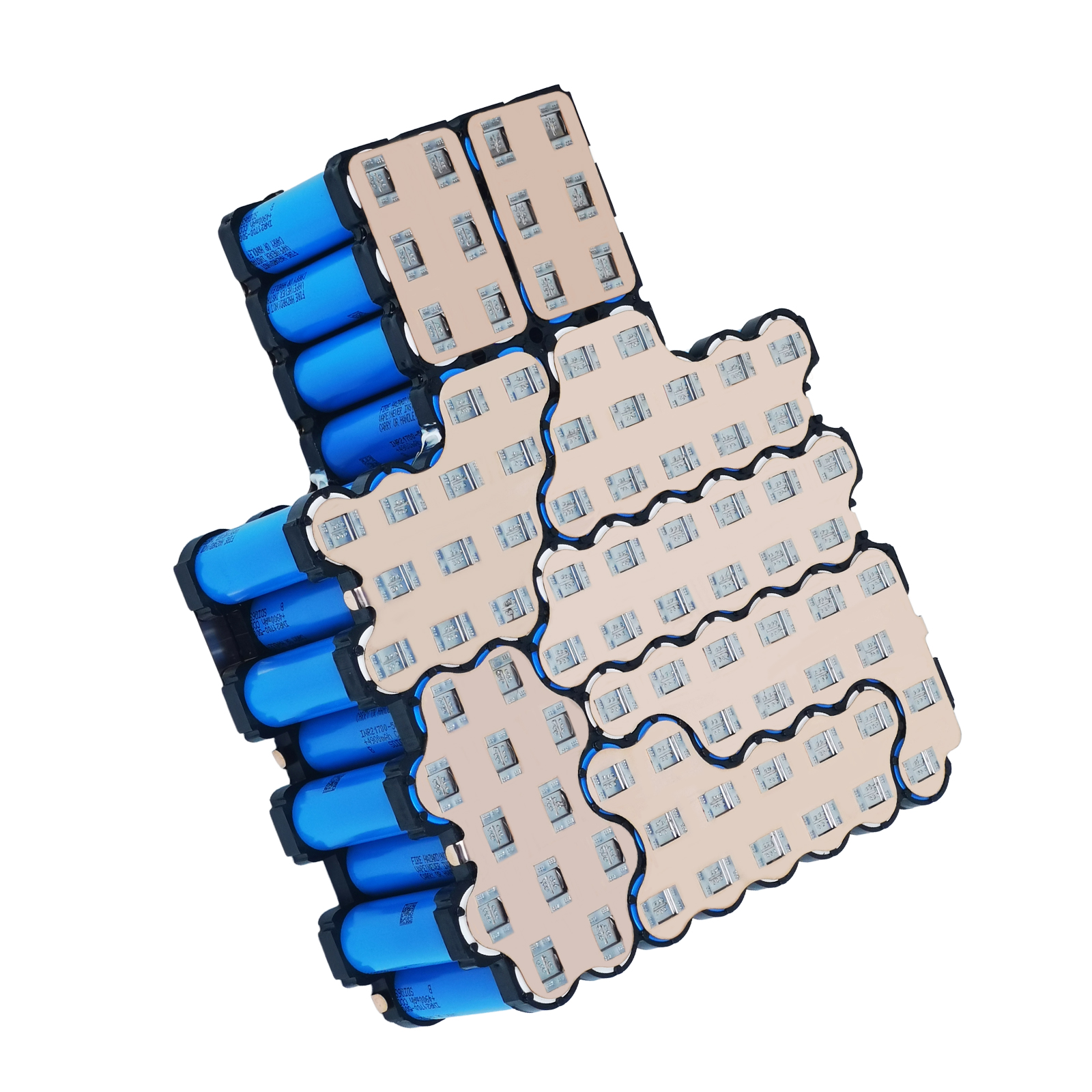
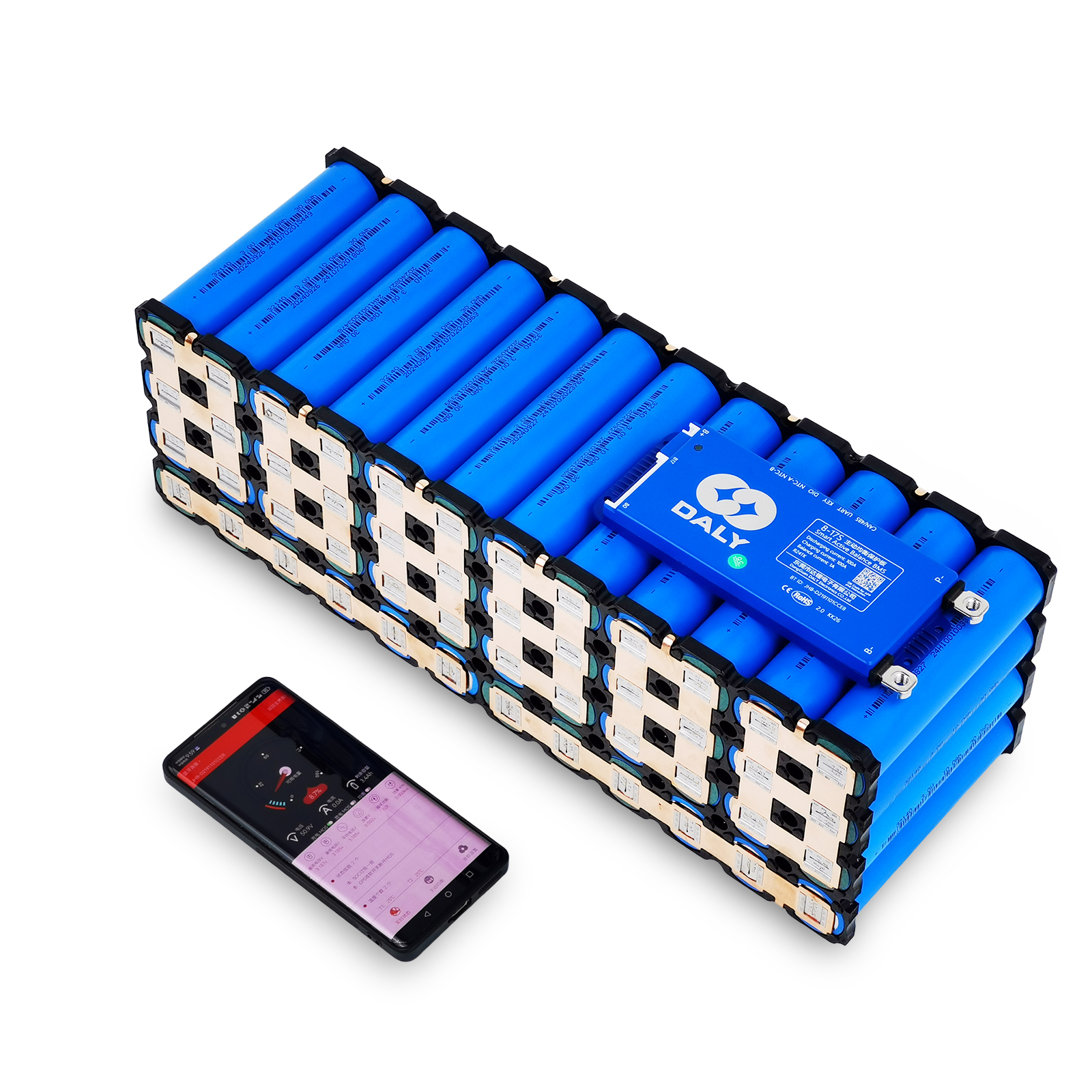
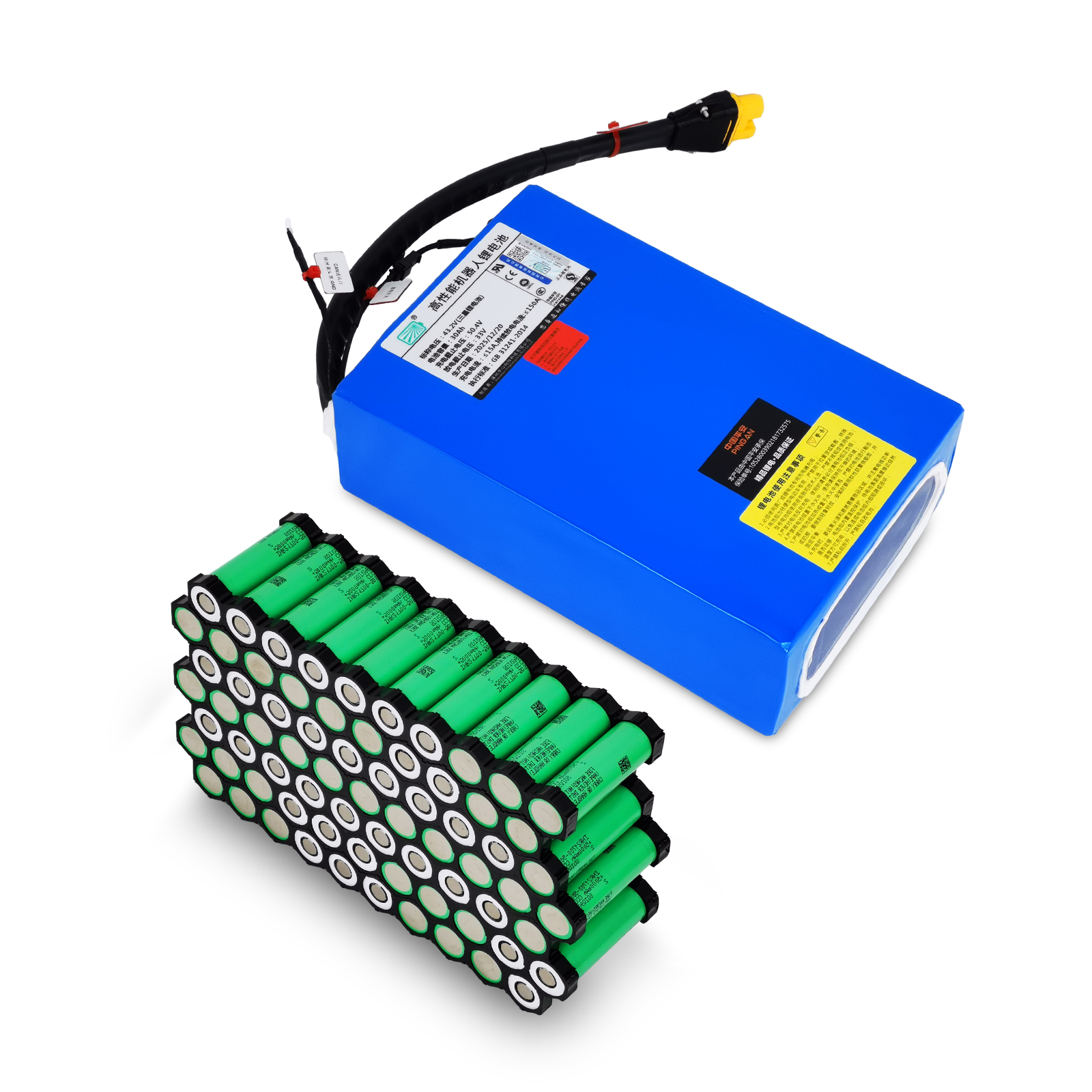
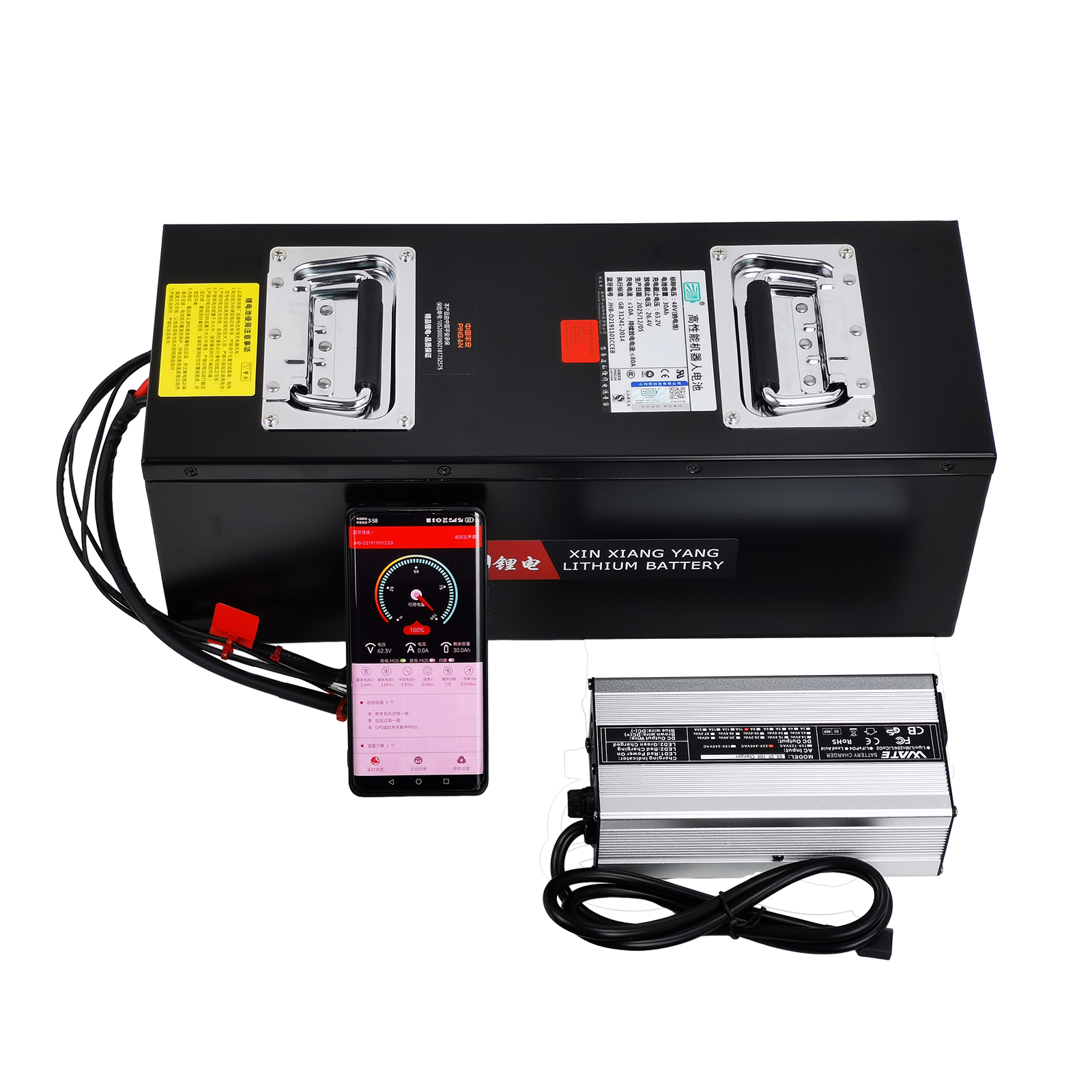
To address the unique power needs of humanoid robots—especially cleaning robots—we have developed a high-performance 48V 30Ah Sodium Solid State Battery Pack, engineered to deliver reliability, efficiency, and durability for daily humanoid robot operation. This sodium solid state battery pack is specifically designed for cleaning robot applications but is also adaptable to small to medium-sized humanoid robots, combining the best features of sodium-ion technology to meet the demands of modern humanoid robot power systems.
Our 48V 30Ah Sodium Solid State Battery Pack boasts the following key features, tailored to the needs of cleaning and humanoid robots, and optimized to enhance humanoid robot battery performance:
-
High-Performance Sodium Technology: Adopting advanced sodium-ion technology, this 48V humanoid robot battery is optimized for cleaning robot applications, delivering consistent power to support automatic cleaning tasks for extended periods. The sodium solid-state design eliminates the risk of liquid leakage, ensuring safe operation in household and industrial environments—critical for reliable humanoid robot power systems.
-
Reliable BMS for Full Safety Protection: Equipped with a dedicated robot sodium battery BMS (Battery Management System), the 48V 30Ah battery pack provides comprehensive safety protection—including overcharge, over-discharge, short-circuit, and over-temperature protection. This ensures stable operation of the 30Ah high-capacity humanoid robot battery pack, even during high-demand humanoid robot tasks.
-
Long Cycle Life and High Energy Density: With an 800-cycle lifespan, this sodium solid state battery pack offers long-term reliability, reducing the need for frequent humanoid robot battery replacements. Its high energy density supports long-time automatic work, allowing cleaning robots to cover large areas without recharging and humanoid robots to operate for extended shifts—maximizing humanoid robot battery life.
-
Lightweight, Waterproof, and Shockproof Design: Engineered with lightweight materials, the 48V 30Ah battery pack reduces the overall weight of humanoid robots, improving agility and energy efficiency. Its waterproof and shockproof construction adapts to complex ground working scenarios—from uneven factory floors to wet household surfaces—ensuring consistent performance in any environment, a key requirement for humanoid robot power systems.
-
Stable Discharge for Continuous Power: The 48V 30Ah sodium solid state battery delivers consistent, stable discharge output, perfectly matching the continuous power demands of both household and industrial cleaning robots. It also supports the dynamic power needs of small humanoid robots, ensuring smooth movement and reliable performance during tasks like cleaning, lifting, and navigation—optimizing humanoid robot power system efficiency.
One-Stop Custom Power System Services for Humanoid Robots
We understand that every humanoid robot application is unique—whether it’s a household cleaning robot, an industrial assembly robot, or a healthcare assistant. That’s why we offer one-stop custom humanoid robot power system services, tailored to your specific requirements. Our team of experienced engineers works closely with you to design lithium-ion or sodium-ion humanoid robot battery solutions that meet your robot’s energy needs, weight constraints, safety requirements, and budget, ensuring optimal humanoid robot battery performance.
Our custom services include:
-
Custom Battery Design: We design humanoid robot battery packs in various voltages (48V, 96V, etc.) and capacities, tailored to the size and power needs of your humanoid robot. Whether you need a high-energy-density lithium-ion pack for a high-performance humanoid robot or a cost-effective sodium-ion pack for mass production, we have the expertise to deliver top-tier humanoid robot power systems.
-
BMS Customization: Our BMS solutions are tailored to your humanoid robot’s specific operating conditions, providing real-time monitoring, safety protection, and energy optimization to maximize humanoid robot battery life and performance. This customization ensures that your humanoid robot power system operates at peak efficiency.
-
Integration Support: We provide full integration support, ensuring that the humanoid robot battery pack seamlessly integrates with your robot’s hardware and software systems. Our team offers technical guidance throughout the integration process, ensuring a smooth and efficient deployment of your humanoid robot power system.
-
After-Sales Support: We stand behind our humanoid robot power system products with comprehensive after-sales support, including maintenance, repair, and replacement services. Our goal is to ensure that your humanoid robots remain operational and efficient, minimizing downtime and maximizing productivity, while extending the lifespan of your humanoid robot battery packs.
The Future of Humanoid Robots: Powered by Advanced Battery Technology
The future of humanoid robots is bright, with advancements in AI, sensor technology, and humanoid robot power systems driving unprecedented growth. By 2030, IDC forecasts that humanoid robot shipments will surpass 510,000 units, and by 2035, the global embodied intelligence market is expected to reach 1 trillion yuan in China alone. As the humanoid robot industry evolves, humanoid robot power systems will remain the critical enabler of innovation—enabling robots to become more agile, more reliable, and more accessible, with sodium ion battery and lithium ion battery technologies leading the way.
Sodium solid-state batteries, in particular, are poised to play a key role in the future of humanoid robots. With their cost-effectiveness, safety, and long cycle life, sodium ion battery packs will enable mass production and expansion into new humanoid robot scenarios. Our 48V 30Ah Sodium Solid State Battery Pack is just the beginning—we are continuously investing in R&D to develop even more advanced humanoid robot power system solutions, including higher energy density sodium batteries and hybrid lithium-sodium systems, to unlock the full potential of humanoid robots.
Whether you’re developing a cleaning robot, an industrial humanoid, or a healthcare assistant, our custom humanoid robot power systems are designed to power your innovation. Contact us today to learn more about our 48V 30Ah Sodium Solid State Battery Pack—our flagship sodium solid state battery solution—and our one-stop custom humanoid robot battery services—and take the first step toward building the next generation of humanoid robots powered by cutting-edge battery technology.