 How Long Does a 48 Volt Battery Last on an Ebike? The Complete Guide
Introduction: Understanding Your 48V Ebike Battery Lifespan
When asking "how long does a 48 volt battery last on an ebike", it's important to understand that battery lifespan isn't just about time—it's about performance retention. A typical 48v ebike battery can provide reliable service for 3-5 years with proper care, but the actual duration depends on multiple factors we'll explore in this guide.
The Truth About Voltage and Battery Longevity
Many riders wonder if higher voltage batteries last longer. The reality is that battery lifespan has little to do with voltage. A 36v ebike battery, 48v ebike battery, 52v ebike battery, 60v ebike battery, and 72 volt ebike battery from the same manufacturer with identical cell quality will have similar cycle lives.
What Really Determines Battery Lifespan:
- Cell Quality and Chemistry: Premium cells from manufacturers like Samsung, LG, or Panasonic typically offer 800-1000+ charge cycles
- Battery Management System (BMS) Quality: A sophisticated BMS protects against overcharging, deep discharge, and temperature extremes
- Usage Patterns and Maintenance: How you charge, store, and use your battery significantly impacts its service life
- Environmental Conditions: Temperature extremes accelerate degradation regardless of voltage
Understanding Charge Cycles and Capacity Retention
The lifespan of any ebike battery is measured in charge cycles. One charge cycle represents using 100% of the battery's capacity.
Typical Lifespan Expectations by Battery Grade:
| Economy Grade: |
300-500 cycles |
1.5-2.5 years |
Drops to 60-70% capacity |
| Standard Grade: |
500-800 cycles |
3-4 years |
Maintains 70-80% capacity |
| Premium Grade: |
800-1000+ cycles |
4-5+ years |
Maintains 80%+ capacity |
Key Factors That Impact Your 48V Ebike Battery's Lifespan
1. Charging Habits and Patterns
- Optimal Charging Range: Keep your ebike battery between 20-80% for daily use
- Avoid Extreme States: Regular deep discharges and constant 100% charging accelerate degradation
- Temperature Awareness: Never charge a hot battery—allow it to cool to room temperature first
2. Usage and Storage Conditions
- Riding Style: Aggressive acceleration and constant high-power draws generate heat that shortens battery life
- Storage Practices: Long-term storage at full charge or complete discharge causes permanent damage
- Environmental Protection: Protect your battery from moisture, extreme temperatures, and physical impacts
Maximizing Your 48V Ebike Battery's Service Life
Practical Maintenance Tips:
- Implement Smart Charging
- Use only the manufacturer-recommended charger
- Unplug once charged to 80-90% for daily commuting needs
- Perform a full balance charge monthly to maintain cell equilibrium
- Optimize Storage Conditions
- Store at 40-60% charge in cool, dry conditions
- Avoid temperature extremes—ideal range is 10-25°C (50-77°F)
- Remove from the bike if storing for extended periods
- Monitor Performance Regularly
- Track your range and charging patterns
- Note any significant changes in performance
- Address issues promptly to prevent further degradation
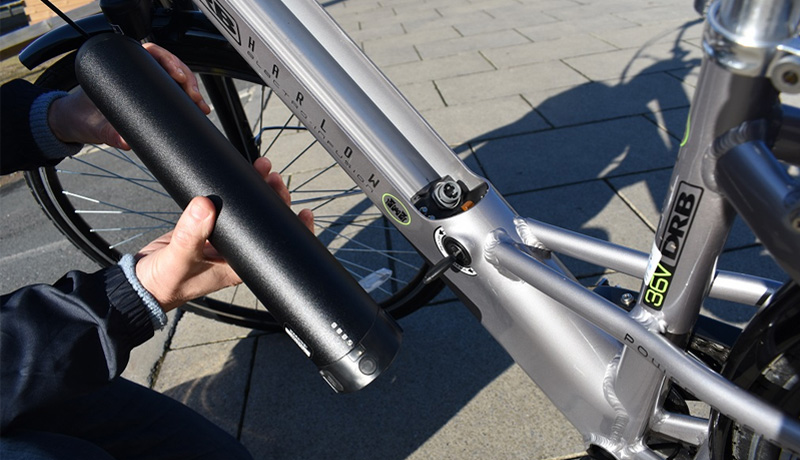
When to Consider Ebike Battery Replacement
- Reduced Range: Consistently achieving less than 60% of original range
- Voltage Sag: Noticeable power drop during acceleration or hill climbing
- Charging Issues: Significantly faster charging times or failure to reach full charge
- Physical Changes: Swelling, leakage, or damage to the battery case
Conclusion: Making Your 48V Ebike Battery Last
Understanding battery lifespan involves recognizing that it depends more on quality, usage patterns, and maintenance than voltage alone. By selecting quality components, implementing smart charging practices, and providing proper storage conditions, you can maximize your ebike battery investment and enjoy reliable performance for years of enjoyable riding.

 How Long Does a 48 Volt Battery Last on an Ebike? The Complete Guide


